How LED Screens Work at Live Events: A Simple Guide for Event Organisers
LED screens are now a standard feature at many live events. From exhibition stands and conference stages to festival backdrops and outdoor fan zones, these large digital displays help deliver video, presentations, branding, and live camera feeds to audiences.
While most event organisers are familiar with seeing LED screens in use, the technology behind them is often less clear. Understanding how LED screens work can make it much easier to plan an event, communicate with AV suppliers, and ensure the right screen specification is chosen for the venue.
In simple terms, an LED screen is made up of many smaller panels that work together to form a single video display. These panels connect to video processors and media sources that control what appears on the screen.
This guide explains how LED screens operate at live events, including how they are built, how video content is displayed, and the key technical components involved in a typical event setup.
What an LED Screen Is
An LED screen is a large digital display made up of multiple LED panels connected together to create a video wall.
Each panel contains thousands of small light sources called light-emitting diodes (LEDs). These LEDs produce coloured light that forms the images and video content visible on the screen.
Because LED screens are modular, they can be assembled into many different sizes and shapes depending on the requirements of the event.
For example, panels might be combined to create:
- A conference stage backdrop
- A large festival stage screen
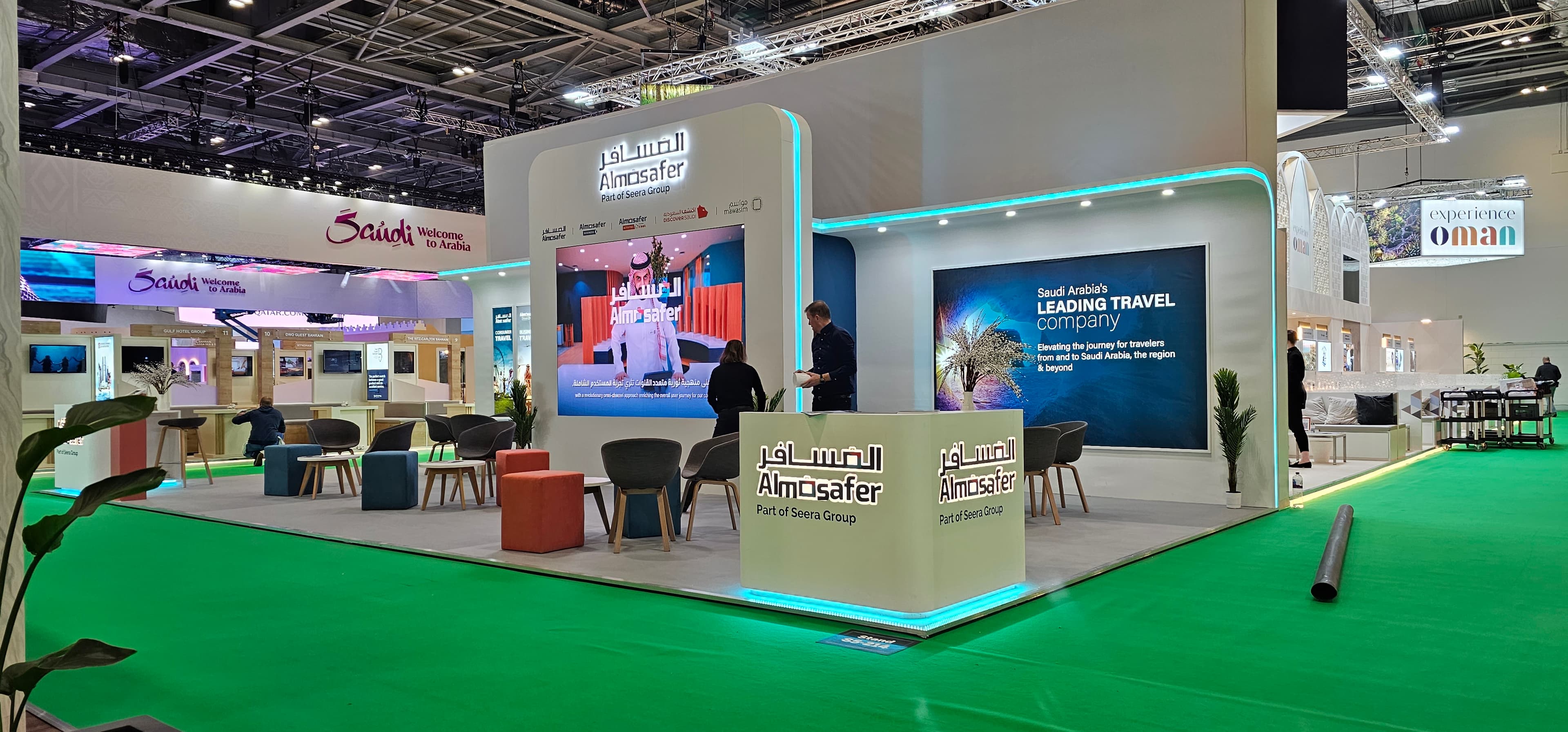
- A video wall on an exhibition stand
- An outdoor viewing screen for a fan zone
This flexibility makes LED screens ideal for temporary installations at live events where screen size and layout often need to be customised.
How LED Pixels Create an Image
The images displayed on an LED screen are created using a system of coloured pixels.
Each pixel typically contains three small LEDs:
- Red
- Green
- Blue
These colours combine in different intensities to produce the full range of colours needed for video and graphics. By adjusting the brightness of each LED, the screen can generate millions of colour combinations.
When thousands of these pixels are arranged in a grid across multiple panels, they form the complete video display.
A key specification that affects image quality is pixel pitch.
Pixel pitch refers to the distance between each pixel, measured in millimetres.
For example:
- 2.6mm pixel pitch means the pixels are spaced 2.6mm apart.
Smaller pixel pitches place pixels closer together, creating higher resolution images suitable for close viewing distances.
Larger pixel pitches are typically used for outdoor events where audiences are standing further away from the screen.
The Components of an Event LED Screen System
An LED screen used at a live event is part of a wider video system made up of several components working together.
LED Panels
LED panels are the physical display modules that make up the screen. Each panel contains:
- LED pixels
- Driver electronics
- Power connections
- Data connections
Panels are designed to connect seamlessly so that multiple units form one continuous display.
LED Cabinets
Panels are usually housed inside LED cabinets, which provide structural support and allow panels to be safely rigged or stacked.
Cabinets also contain the connectors that allow data and power to pass between panels.
Video Processor
The video processor acts as the control system for the LED screen. Its job is to:
- Receive video signals from media sources
- Scale the content to match the screen resolution
- Distribute the video signal across all LED panels
Professional event screens often use processors from systems such as Brompton or Novastar, which provide reliable image processing and colour calibration.
Media Source
The media source is the device that sends content to the video processor. Typical sources include:
- Presentation laptops
- Media servers
- Video playback systems
- Live camera feeds
- Broadcast equipment
These sources provide the video content that ultimately appears on the LED screen.
How Video Content Reaches the Screen
The signal flow for an LED screen system follows a clear process.
1. Content is created or played from a media source. This might be a presentation, video playback system, or live camera feed.
2. The signal is sent to the video processor. The processor converts and scales the video to match the screen resolution.
3. Data is distributed to the LED panels. Specialised data cables connect the processor to each LED cabinet.
4. The panels display the final image. Each panel displays its assigned section of the overall video wall.
Together, all panels combine to form the complete image seen by the audience.
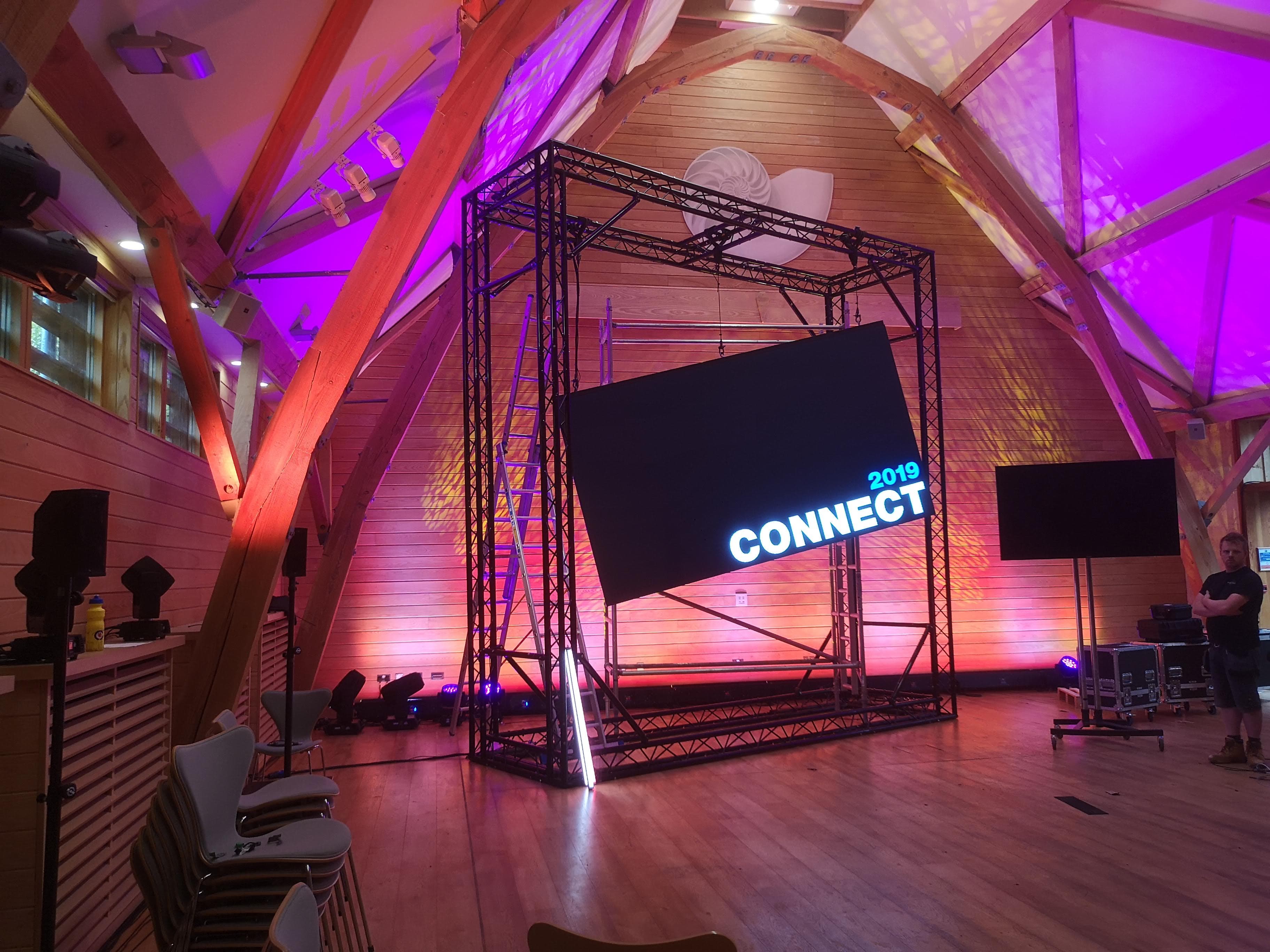
How LED Screens Are Built at Events
Installing an LED screen at a live event requires careful planning and professional installation. There are several common installation methods.
Ground Stacking
Ground stacking involves building the screen on a support frame placed directly on the ground. This method is often used for:
- Outdoor fan zones
- Temporary event screens
- Public viewing areas
It allows screens to be installed safely without needing overhead rigging.
Truss Rigging
For stage environments, LED screens are frequently suspended from truss structures above the stage. This is common for:
- Festivals
- Concerts
- Conferences
- Large corporate events
Rigging allows the screen to be positioned high above the stage while maintaining clear audience sightlines.
Mobile LED Screen Trailers
Some events use mobile LED screens mounted on trailers. These self-contained systems are popular for:
- Community events
- Sporting screenings
- Pop-up activations
- Roadshows
They can be deployed quickly and require minimal installation time.
Why Pixel Pitch Matters
Pixel pitch is one of the most important technical factors when selecting an LED screen for an event.
Because pixel pitch affects image resolution, it must match the expected viewing distance.
Typical examples include:
- 1.9mm to 2.6mm: Ideal for conferences or exhibition stands where viewers are close to the screen.
- 2.9mm to 3.9mm: Suitable for stage backdrops and medium viewing distances.
- 4.8mm to 6mm or larger: Common for outdoor events where audiences are viewing from further away.
For example, an exhibition stand where visitors stand 1 to 3 metres away would typically use a 2.6mm LED screen to maintain sharp image quality.
A large outdoor screen viewed from 20 metres away could use a much larger pixel pitch while still appearing clear.
How Content Is Designed for LED Screens
Another important factor in LED screen performance is how content is prepared.
Unlike televisions, LED screens can have custom resolutions depending on the number of panels used.
For example, a screen measuring 5 metres wide by 3 metres high with a 2.9mm pixel pitch might have a resolution around 1728 x 1032 pixels.
If content is not designed with the correct resolution or aspect ratio, it may appear stretched or incorrectly scaled on the screen.
When planning LED content, designers should consider:
- Screen resolution
- Aspect ratio
- Text size and readability
- Safe margins for stage design
Working with an AV provider during the design phase helps ensure content displays correctly on the final screen.
Common Technical Mistakes at Events
LED screens are reliable when correctly planned, but problems can occur if important technical details are overlooked. Common issues include:
Incorrect Content Resolution
If video content does not match the screen resolution, it may appear distorted or poorly scaled.
Choosing the Wrong Pixel Pitch
A screen with large pixel spacing may appear blurry when viewed from close distances.
Poor Screen Placement
Screens positioned too high or at extreme angles can reduce visibility for the audience.
Insufficient Power Planning
Large LED screens require appropriate electrical distribution to ensure stable operation.
Working with experienced production teams helps avoid these problems.
The Pixelhut Approach: Design, Plan, Deliver
Delivering LED screens for live events requires careful planning and technical expertise. At Pixelhut, every project follows a structured process.
Design
During the design stage, the team determines:
- Screen size
- Pixel pitch
- Viewing distance
- Content resolution
This ensures the screen matches the event environment.
Plan
The planning stage focuses on logistics, including:
- Installation method
- Rigging or ground stacking
- Power requirements
- Transport and build schedules
Deliver
Finally, the team installs the screen, calibrates the display, and manages video playback during the live event.
This process ensures reliable performance from setup through to the end of the event.
Conclusion
LED screens are powerful visual tools that play a central role in modern live events. Built from modular panels and controlled through video processors, they can display high-quality video content across large audiences both indoors and outdoors.
Understanding the basics of how LED screens work, including pixel pitch, video processing, and installation methods, helps event organisers make informed decisions when planning their production setup.
With the right technical planning, LED screens can transform the visual impact of an event while ensuring content remains clear, bright, and engaging for every attendee.
Planning an Event with LED Screens?
If you are planning an exhibition, conference, festival, or public event and want advice on the best LED screen setup, the Pixelhut team can help. With more than 15 years of experience delivering LED screen solutions for live events, Pixelhut supports organisers through every stage of the process, from design and planning to installation and live event delivery.
Get a QuoteMore from the blog
What Are LED Screens Used For At Events? A Practical Guide for Event Organisers
A practical guide covering how LED screens are used at exhibitions, festivals, conferences, and fan zones, including screen sizing, pixel pitch, and installation methods.
Read more →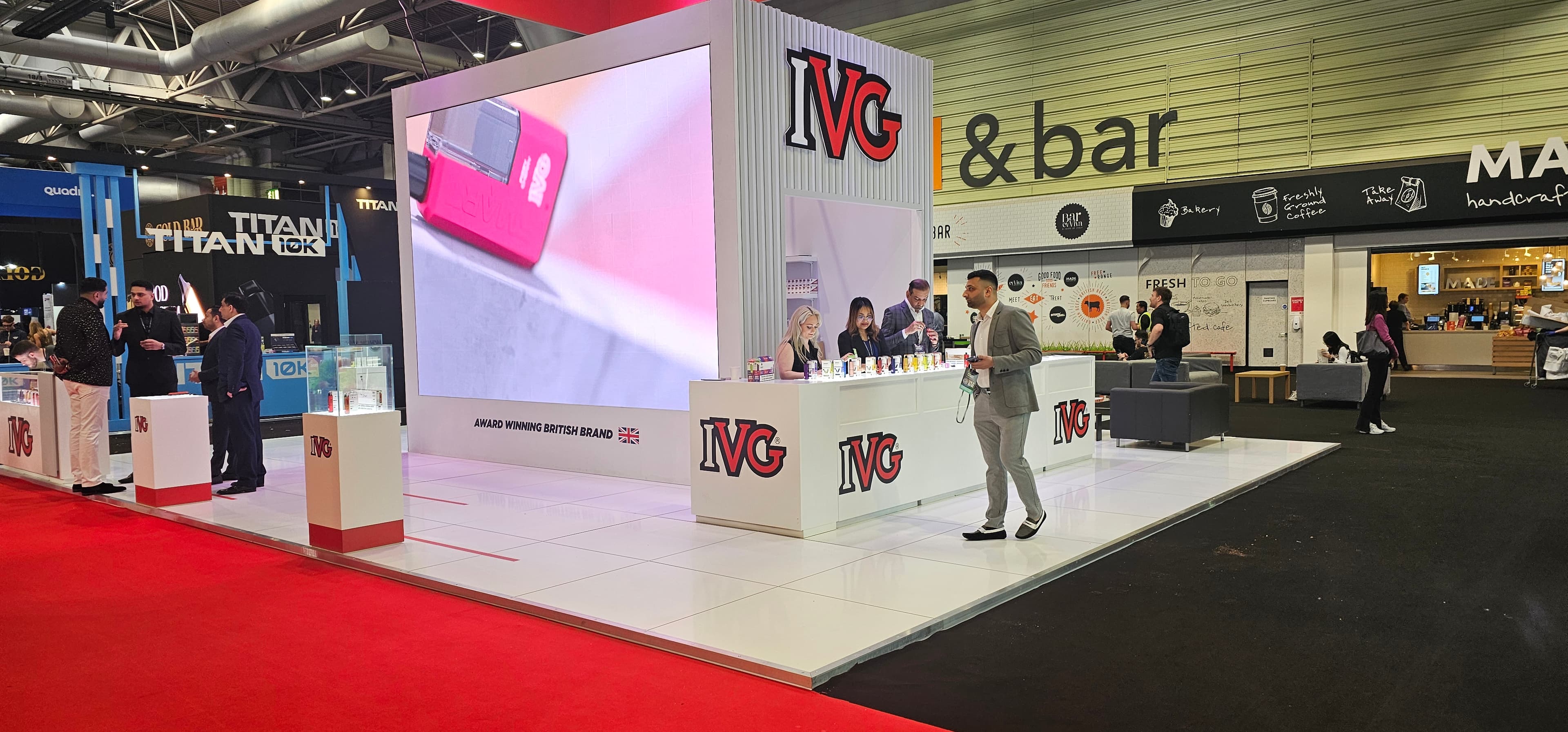
LED Screens for Exhibition Stands: How to Attract Visitors at Trade Shows
A practical guide to using LED screens on exhibition stands, covering screen sizes, pixel pitch, content design, and installation options for trade shows.
Read more →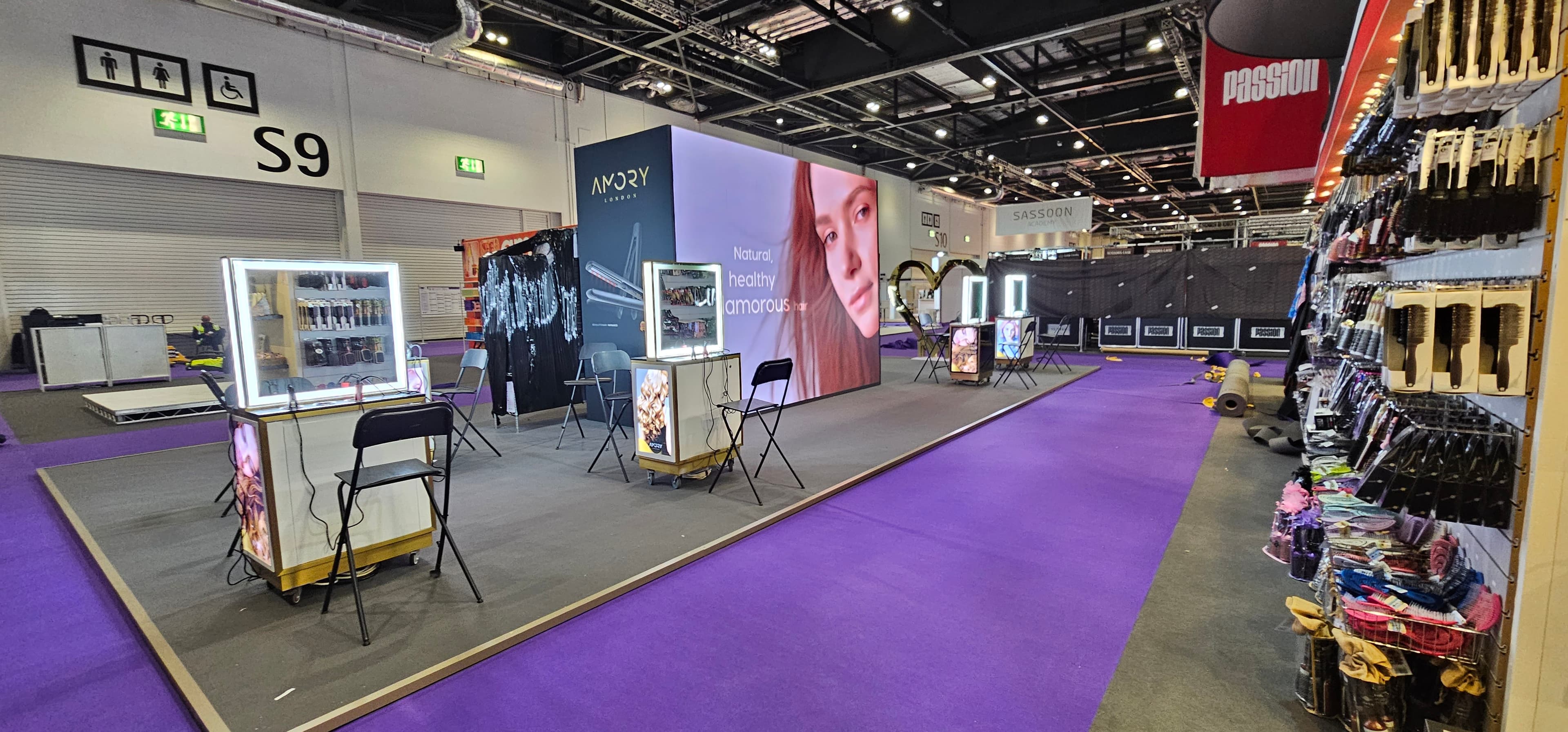
LED Screen Hire Cost Guide: What Event Organisers Should Expect to Pay
LED screen hire costs vary depending on screen size, resolution, installation method, and event duration. This guide explains typical UK pricing and what event organisers should budget for.
Read more →Let’s make your brand stand out
Tell us about your event and we’ll put together a tailored solution with clear pricing and no surprises.
Get a Quote