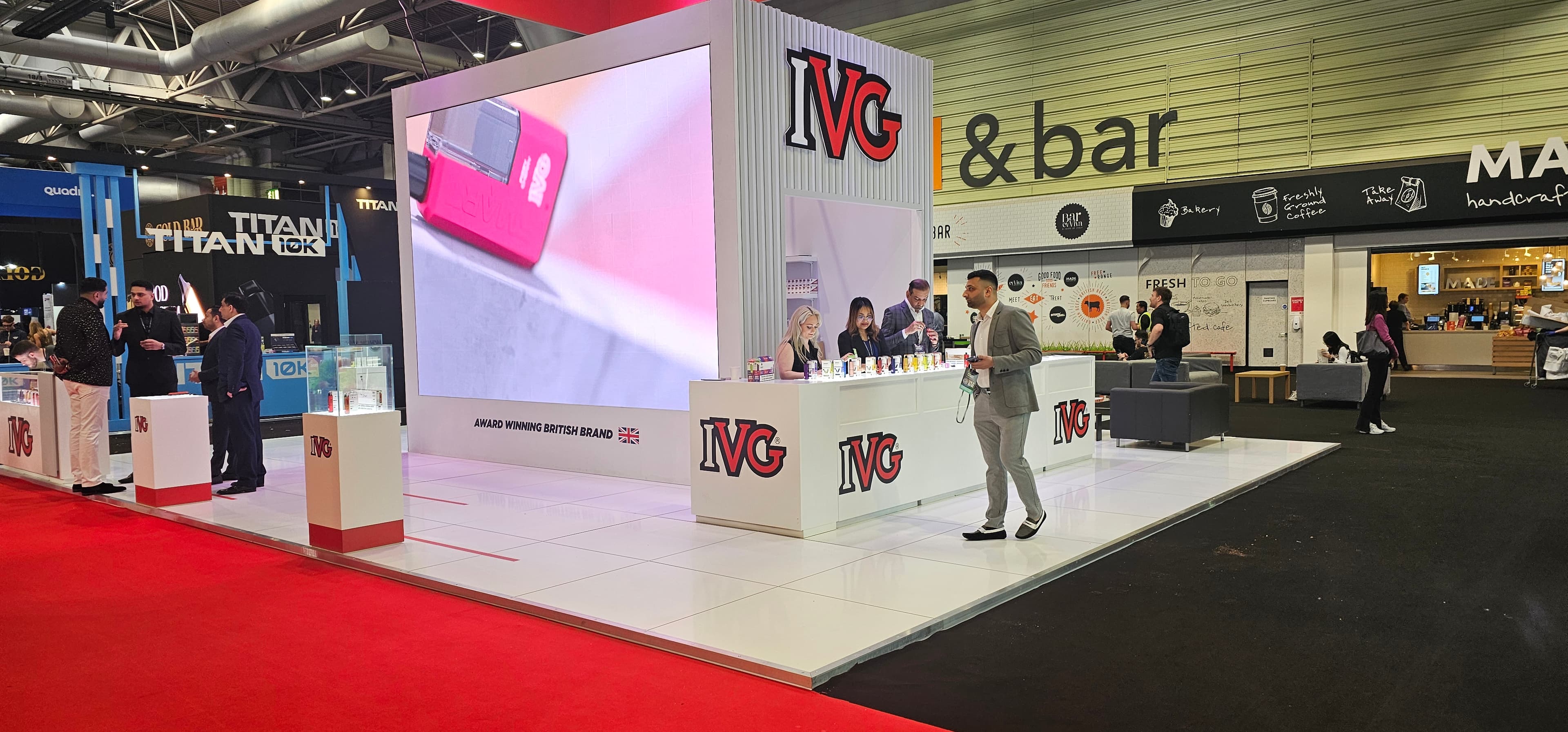
LED Screens for Exhibition Stands: How to Attract Visitors at Trade Shows
Exhibitions and trade shows are highly competitive environments. Hundreds of brands may be competing for attention on the same show floor, and exhibitors only have a few seconds to capture the interest of passing visitors.
For this reason, many companies are now incorporating LED screens into their exhibition stand designs. LED video walls allow exhibitors to display product demonstrations, brand messaging, and motion graphics that naturally attract attention in busy halls.
Unlike traditional printed graphics, LED screens add movement, light, and dynamic content to a stand. This helps exhibitors communicate their message quickly and encourages visitors to stop and engage with the brand.
This guide explains how LED screens are used on exhibition stands, what screen sizes work best, and the technical considerations event organisers and stand designers should understand when planning an LED display for a trade show.
Why LED Screens Are Used on Exhibition Stands
The primary goal of any exhibition stand is to attract visitors and start conversations with potential customers.
LED screens help achieve this by creating a visually engaging focal point within the stand design.
Key benefits of using LED screens at exhibitions include:
Movement attracts attention
Video content and animation naturally stand out in a busy exhibition environment.
Clear product demonstrations
Brands can show products in action through short videos or visual presentations.
Flexible messaging
Content can be updated easily throughout the event without changing printed materials.
Modern stand design
LED walls create a clean, contemporary look that helps brands stand out.
Because LED screens are modular, they can be built to match the exact dimensions of the exhibition stand.
LED Screens for Trade Show Booths
Trade shows often involve thousands of visitors moving quickly through exhibition halls. Exhibitors need to communicate their message clearly and immediately.
LED screens are increasingly used on trade show booths because they allow brands to display:
- looping product videos
- animated brand messaging
- product highlights
- promotional campaigns
Compared with printed graphics, LED displays provide a brighter and more dynamic visual presence.
For example, a 3m × 2m LED video wall behind a trade show booth can display a continuous product demonstration that explains the offering before a sales conversation even begins.
Because visitors typically stand 1–3 metres away from the screen, high-resolution LED panels are required to maintain sharp image quality.
Common Ways LED Screens Are Used at Exhibitions
LED screens can be integrated into exhibition stand design in several different ways.
LED Video Walls
A large LED wall placed behind the stand is one of the most common exhibition setups.
This screen acts as the visual centrepiece of the booth, displaying branding and product content throughout the event.
Typical sizes include:
- 3m × 2m LED wall
- 4m × 2.5m LED backdrop
These screens create a strong visual presence across the exhibition floor.
LED Feature Walls
Some exhibition stands use a full wall constructed entirely from LED panels.
This approach allows the entire stand backdrop to display video and motion graphics, creating a highly immersive brand display.
Feature walls are particularly effective for:
- product launches
- technology brands
- automotive and engineering displays
LED Product Displays
Smaller LED screens are often used to support specific product demonstrations.
For example, a screen may show:
- technical product visuals
- animated diagrams
- case study videos
This helps visitors understand complex products quickly.
LED Columns and Totems
Vertical LED displays are sometimes used to increase visibility across large exhibition halls.
Because they extend upwards, these structures can be seen from greater distances, helping visitors locate the stand.
Choosing the Right LED Screen Size for an Exhibition Stand
Screen size should always be considered in relation to the size of the exhibition stand and the layout of the booth.
Small exhibition stands may use a single display measuring around 2–3 metres wide.
Medium-sized stands often use LED walls around 3m × 2m, which provides enough space to display video content clearly.
Large exhibition stands sometimes incorporate LED displays measuring 4m × 2.5m or larger to create a stronger visual impact.
When choosing screen size, it is important to ensure the display remains balanced within the stand design rather than dominating the entire space.
A well-positioned screen should complement the stand layout while still being visible from across the exhibition hall.
Pixel Pitch for Exhibition LED Screens
Pixel pitch is one of the most important technical considerations when selecting an LED screen for an exhibition.
Pixel pitch refers to the distance between each LED pixel on the screen. Smaller pixel pitches create higher resolution images.
Because exhibition visitors usually stand close to the display, screens with smaller pixel pitch values are typically required.
Common options include:
- 1.9mm pixel pitch – ideal for very close viewing
- 2.6mm pixel pitch – widely used for exhibition stands
For example, when visitors are standing 1–3 metres away from the screen, a 2.6mm LED screen will provide clear graphics and readable text.
Choosing the correct pixel pitch ensures that video content and branding appear sharp rather than pixelated.
Content Design for Exhibition LED Screens
The effectiveness of an exhibition LED screen depends heavily on the content displayed.
Visitors rarely stop for long periods while walking through a trade show, so messaging must be quick and easy to understand.
Effective exhibition screen content often includes:
- short looping product videos
- simple motion graphics
- key product highlights
- bold brand messaging
Text should be large and readable from several metres away, and videos should typically run on a short loop so that visitors joining midway can still understand the message.
It is also important to design content at the correct resolution for the LED screen to ensure it displays correctly.
Installation Options for Exhibition Screens
LED screens can be installed in several ways depending on the exhibition stand design.
Integrated Stand Displays
Many exhibition stands incorporate LED screens directly into the structure of the booth.
This approach creates a seamless design where the screen forms part of the stand wall.
Ground-Stacked LED Walls
Some stands use ground-supported LED structures positioned behind the booth.
This allows larger screens to be installed without attaching them to the stand frame.
Modular Screen Installations
Because LED panels are modular, they can also be built into unique shapes or layouts depending on the stand design.
During the planning stage, it is important to consider:
- power supply within the exhibition hall
- cable routing within the stand
- safe installation and dismantling schedules
Common Mistakes Exhibitors Make
While LED screens can significantly improve an exhibition stand, there are several common mistakes that can reduce their effectiveness.
Choosing a Screen That Is Too Small
A small display may struggle to stand out in a large exhibition hall.
Selecting the Wrong Pixel Pitch
Using a low-resolution screen for close viewing distances can make graphics appear unclear.
Poor Content Design
Overly complex or text-heavy content is difficult for visitors to absorb quickly.
Poor Screen Placement
If the screen is not visible from the main aisle, it will attract far fewer visitors.
Careful planning helps ensure the screen enhances the overall exhibition stand rather than simply becoming a background display.
The Pixelhut Approach: Design, Plan, Deliver
Successful exhibition LED screens require both technical expertise and careful production planning.
Pixelhut follows a structured process to ensure every screen installation performs reliably during the event.
Design
During the design stage, the team determines the correct screen size, resolution, and viewing distance for the exhibition environment.
Plan
The planning stage covers installation logistics, power requirements, and integration with the stand design.
Deliver
Finally, the screen is installed, tested, and supported throughout the exhibition to ensure reliable performance.
This process ensures exhibitors receive a display that enhances their stand and supports their marketing objectives.
Conclusion
LED screens have become one of the most effective ways to attract attention at exhibitions and trade shows. By displaying dynamic video content and clear brand messaging, they help exhibitors stand out in busy exhibition halls and communicate their message quickly.
Choosing the right screen size, pixel pitch, and content design is essential to ensuring the display performs effectively at close viewing distances.
When planned correctly, LED screens can transform an exhibition stand into a highly visible and engaging space that draws visitors and encourages meaningful conversations.
Ready to Plan Your Exhibition LED Screen?
If you are planning an exhibition or trade show and want to integrate an LED screen into your stand design, the Pixelhut team can help. With over 15 years of experience delivering LED screens for exhibitions, conferences, and live events, Pixelhut supports clients through every stage of the process, from design and planning to installation and technical delivery.
Get a QuoteMore from the blog
How LED Screens Work at Live Events: A Simple Guide for Event Organisers
A straightforward guide explaining how LED screens work at live events, covering pixel pitch, video processing, installation methods, and content planning for event organisers.
Read more →
What Are LED Screens Used For At Events? A Practical Guide for Event Organisers
A practical guide covering how LED screens are used at exhibitions, festivals, conferences, and fan zones, including screen sizing, pixel pitch, and installation methods.
Read more →
LED Screen Hire Cost Guide: What Event Organisers Should Expect to Pay
LED screen hire costs vary depending on screen size, resolution, installation method, and event duration. This guide explains typical UK pricing and what event organisers should budget for.
Read more →Let’s make your brand stand out
Tell us about your event and we’ll put together a tailored solution with clear pricing and no surprises.
Get a Quote