What Are LED Screens Used For At Events? A Practical Guide for Event Organisers
LED screens have become a standard feature across modern events. From exhibition stands and conferences to festivals and fan zones, event organisers use LED displays to deliver clear visuals, live video, branding, and information to audiences of all sizes.
Traditional projection systems often struggle in bright environments or large venues. LED screens solve this problem by offering high brightness, scalable sizes, and reliable performance both indoors and outdoors.
However, many organisers planning an event for the first time are unsure how LED screens are actually used or what technical considerations need to be taken into account.
This guide explains the most common uses for LED screens at events, how they improve audience engagement, and the key technical factors such as screen size, pixel pitch, and installation methods that should be considered during the planning process.
What LED Screens Are Used For at Events
LED screens at events are large digital display walls used to show video, presentations, live camera feeds, branding, and event information.
They are commonly used at:
- exhibitions
- festivals
- conferences
- brand activations
- sporting fan zones
- corporate events
Unlike projection, LED screens remain bright and clear even in daylight and can be built to almost any size using modular LED panels.
Typical uses include:
- live video relay for large audiences
- presentation displays for speakers
- sponsor and brand advertising
- immersive stage visuals
- event schedules and information screens
Because the screens are modular, they can be configured as:
- stage backdrops
- large outdoor viewing walls
- exhibition stand displays
- entrance features
- mobile LED trailers
Benefits of LED Screens at Events
LED displays offer several advantages over traditional display technologies.
High Brightness
Outdoor LED screens can reach 5,000 to 7,000 nits, making them visible even in direct sunlight. This is essential for festivals, sporting events, and outdoor activations.
Large Format Displays
LED panels can be assembled to create very large video walls, allowing content to be seen clearly by large crowds.
Modular Flexibility
Screens can be built in different shapes and sizes depending on the venue or stage design.
Reliability
LED technology is robust and designed for continuous operation during long event days.
Strong Visual Impact
High-quality video and graphics create a much stronger visual presence than static banners or printed signage.
LED Screens for Exhibition Stands
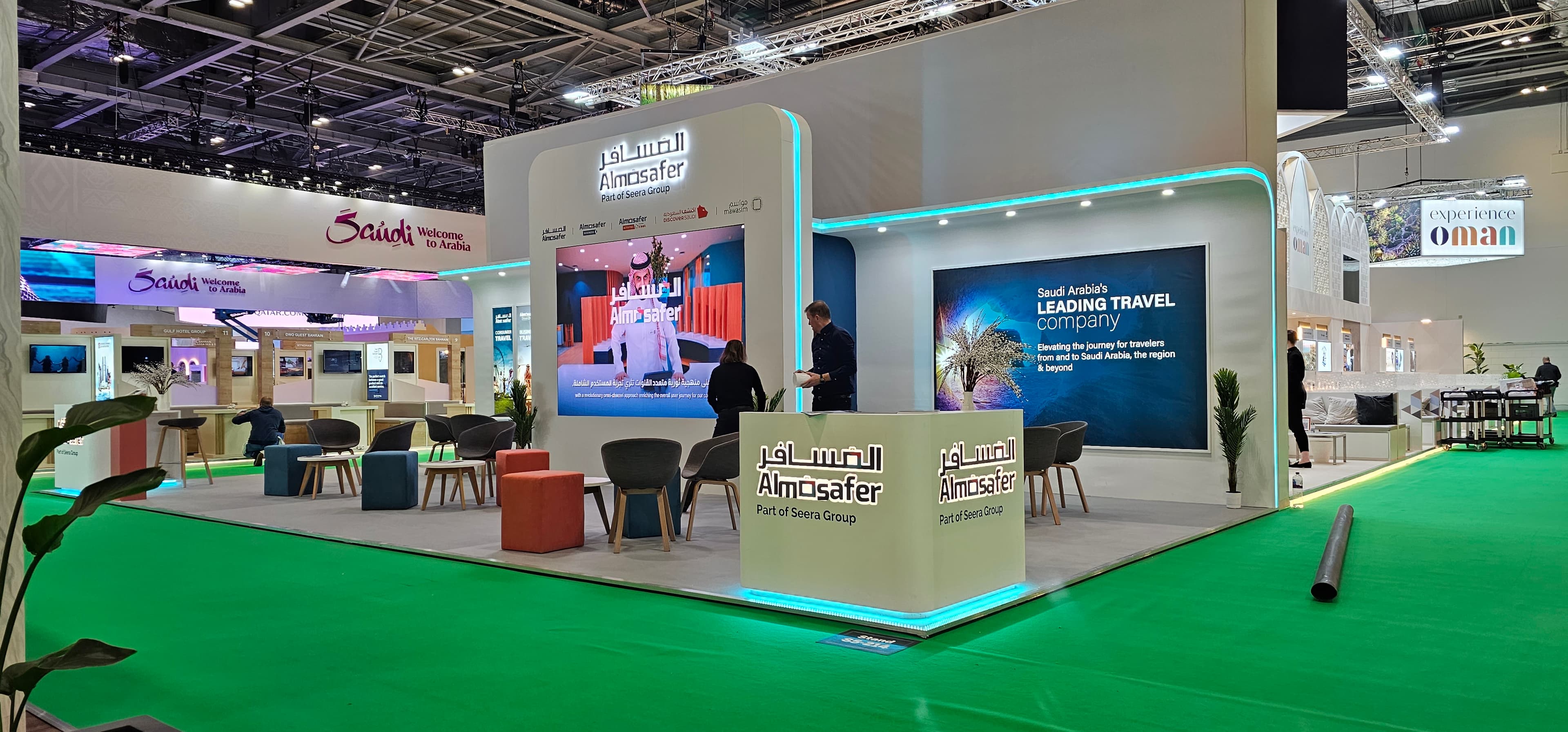
At exhibitions, LED screens are primarily used to attract attention and communicate brand messaging.
A dynamic video display is far more effective than static graphics for drawing visitors onto a stand.
Typical exhibition uses include:
- product videos
- brand storytelling
- promotional graphics
- interactive presentations
Because exhibition visitors usually stand quite close to the screen, pixel pitch becomes important.
For example:
- 2.6mm pixel pitch is common for exhibition stands
- ideal viewing distance: 1 to 3 metres
At this distance, graphics and text appear sharp and detailed.
A typical exhibition LED wall might measure:
- 3m x 2m
- 4m x 2.5m
These sizes provide strong visual impact without overwhelming the stand structure.
LED Screens for Festivals and Outdoor Events
Festivals use LED screens to ensure large crowds can see stage content clearly.
Common setups include:
- large stage backdrop LED walls
- side screens (often called IMAG screens)
- sponsor branding displays
These screens relay live camera footage so audiences far from the stage can still see performers clearly.
Outdoor environments require specialised LED panels with:
- high brightness levels (5000+ nits)
- weatherproof construction
- robust rigging systems
Typical festival screens can range from 20 sqm to 100 sqm or more.
These installations require careful planning around:
- truss rigging
- wind loading
- power supply
- camera and broadcast integration
LED Screens for Corporate Events and Conferences
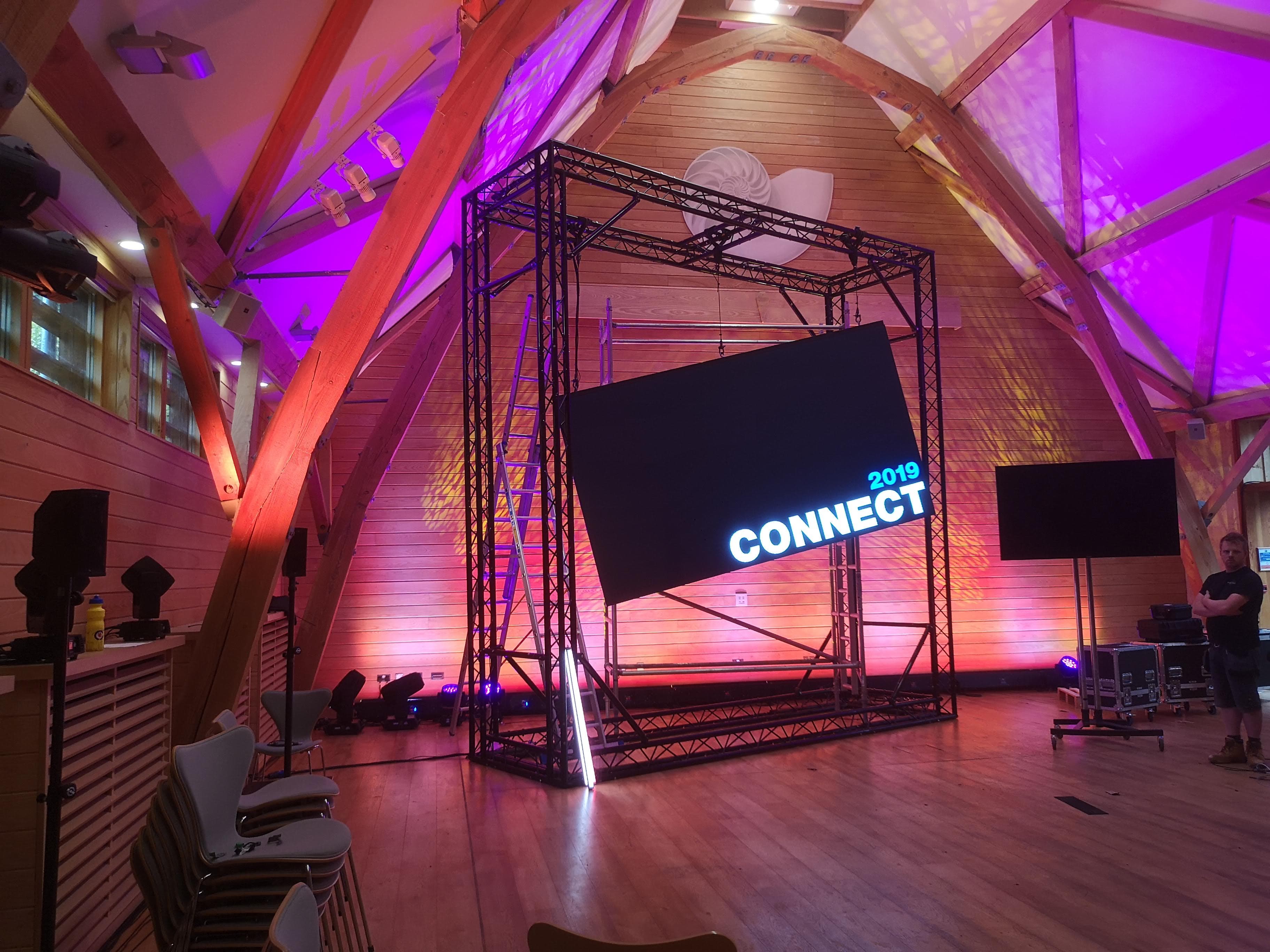
Corporate events use LED screens to deliver professional, high-impact visuals during presentations and keynote sessions.
Typical uses include:
- presentation backdrops
- branded stage sets
- video playback
- live speaker content
LED walls are increasingly replacing projection in conference environments because they provide:
- sharper visuals
- brighter images
- better contrast in well-lit rooms
For conferences, organisers often choose pixel pitches between 1.9mm and 3.9mm, depending on viewing distance.
For example:
- small conference stage: 4m x 2.5m screen
- large conference venue: 8m x 4m LED backdrop
These screens ensure presentation content remains readable for the entire audience.
LED Screens for Fan Zones and Sporting Events
Fan zones and public viewing areas rely heavily on large outdoor LED screens.
These setups allow crowds to watch live sporting broadcasts together in a shared environment.
Typical installations include:
- large central viewing screen
- sponsor branding content
- live broadcast integration
Because audiences are often standing 10 to 50 metres away, the pixel pitch can be larger than indoor screens.
Common outdoor options include:
- 3.9mm
- 4.8mm
- 6mm
The priority is visibility from long distances rather than ultra-fine detail.
Fan zone screens are often ground stacked on support frames to allow safe installation in open public spaces.
Choosing the Right LED Screen for Your Event
Selecting the correct LED screen requires balancing several technical factors.
Screen Size
Screen size should be based on:
- audience size
- viewing distance
- venue layout
Larger audiences typically require larger screens to maintain visibility.
Pixel Pitch
Pixel pitch refers to the distance between LED pixels.
Smaller pixel pitches provide higher resolution but are more suited to close viewing distances.
Typical examples:
- 1.9mm to 2.6mm for close viewing
- 2.9mm to 3.9mm for medium distances
- 4.8mm to 6mm for large outdoor viewing areas
Indoor vs Outdoor Screens
Indoor screens prioritise resolution, while outdoor screens prioritise brightness and weather protection.
Viewing Distance
A simple guideline: minimum viewing distance is approximately equal to the pixel pitch in millimetres.
For example: 3mm pixel pitch provides comfortable viewing from approximately 3 metres.
Power Requirements
LED screens require dedicated power distribution.
Large outdoor walls may need three-phase power supplies, while smaller indoor setups often run on standard event power systems.
How LED Screens Are Installed at Events
LED screens can be installed in several ways depending on the event setup.
Ground Stacking
The screen is built on a support frame standing on the ground.
This method is common for:
- outdoor events
- fan zones
- temporary installations
Truss Rigging
The screen is suspended from a truss structure above the stage.
Used for:
- festivals
- conferences
- stage backdrops
Mobile LED Screen Trailers
Some events use self-contained LED screens mounted on trailers.
These are popular for:
- community events
- sporting screenings
- temporary outdoor activations
Professional installations also require video processing systems such as Brompton or Novastar processors to ensure stable playback and correct screen calibration.
Common Mistakes Event Organisers Make
Several common issues arise when LED screens are not properly planned.
Screens That Are Too Small
A screen that looks large in a design render may appear small once installed in a venue.
Incorrect Pixel Pitch
Using a coarse pixel pitch indoors can make text and graphics appear blurry.
Poor Screen Placement
Screens must be positioned to ensure clear sightlines for the audience.
Not Planning Power Requirements
Large LED installations require proper electrical distribution and planning.
Working with an experienced AV provider helps avoid these issues.
The Pixelhut Approach: Design, Plan, Deliver
Successful LED screen installations require more than just equipment hire.
At Pixelhut, every project follows a structured process.
Design
The design stage calculates:
- screen size
- pixel pitch
- viewing distance
- content layout
Plan
Planning focuses on logistics such as:
- installation method
- power requirements
- transport and build schedules
Deliver
During the event, the team manages:
- screen installation
- testing and calibration
- live video playback and operation
This structured approach ensures LED screens perform reliably throughout the event.
Frequently Asked Questions About LED Screens for Events
In many situations, yes. LED screens provide higher brightness and better visibility in bright environments. They are also more scalable for large events.
Yes. Outdoor LED panels are weatherproof and designed to handle rain and bright daylight conditions.
Screen size depends on audience size and viewing distance. Larger crowds require larger screens to ensure visibility.
Outdoor event LED screens typically operate between 5,000 and 7,000 nits, making them clearly visible in daylight.
Conclusion
LED screens have become an essential production tool for modern events. Whether used on exhibition stands, festival stages, conference backdrops, or fan zones, they provide a reliable way to deliver high-impact visual content to large audiences.
Choosing the correct screen size, pixel pitch, and installation method is critical to ensuring the display performs effectively in the event environment.
Careful planning also ensures the screen integrates smoothly with stage design, power systems, and video content.
Planning an Event with LED Screens?
If you are planning an event and need advice on LED screen sizing, placement, or technical setup, the Pixelhut team can help. With over 15 years of AV industry experience, Pixelhut delivers LED screen solutions for exhibitions, festivals, corporate events, and large-scale public screenings, from design through to live event delivery.
Get a QuoteMore from the blog
How LED Screens Work at Live Events: A Simple Guide for Event Organisers
A straightforward guide explaining how LED screens work at live events, covering pixel pitch, video processing, installation methods, and content planning for event organisers.
Read more →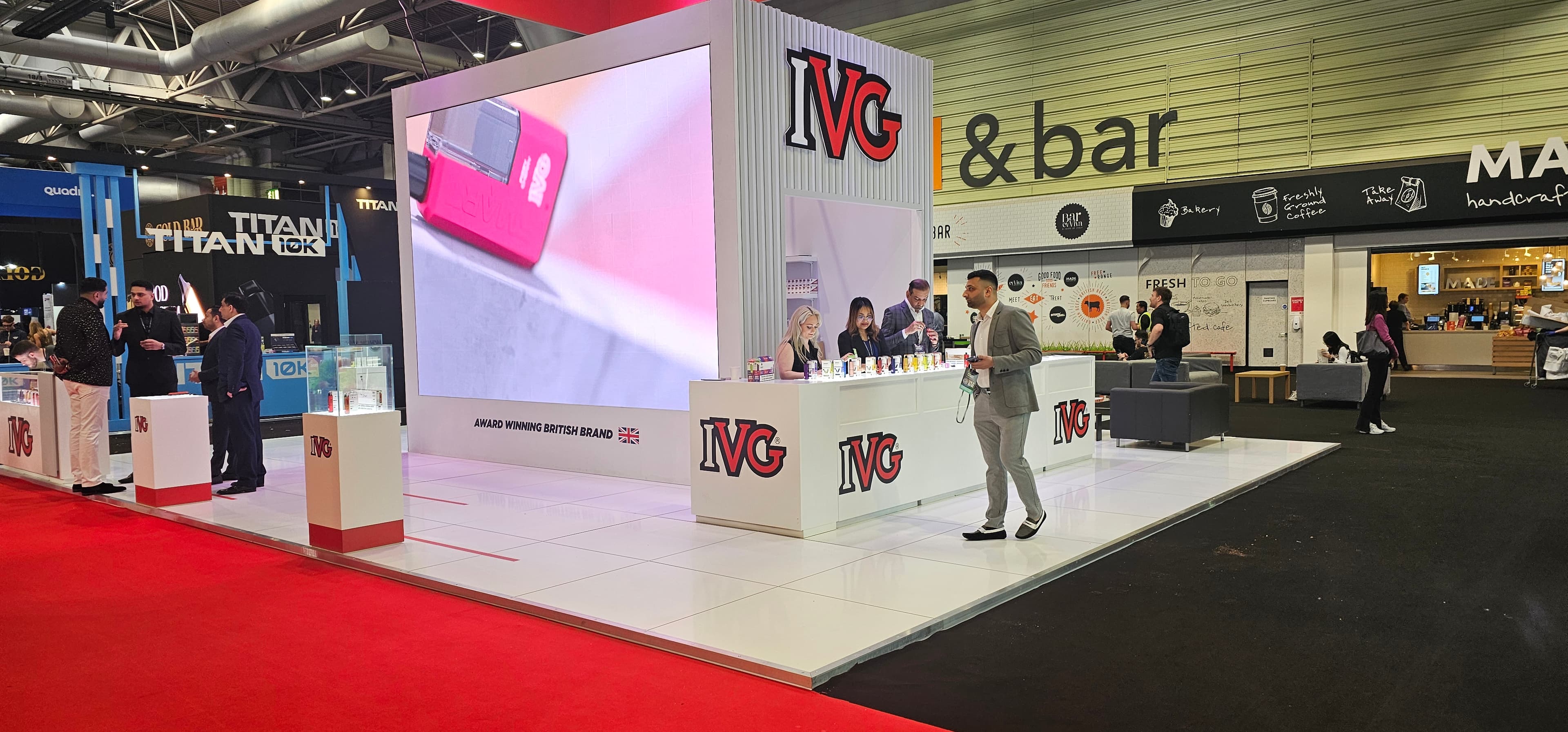
LED Screens for Exhibition Stands: How to Attract Visitors at Trade Shows
A practical guide to using LED screens on exhibition stands, covering screen sizes, pixel pitch, content design, and installation options for trade shows.
Read more →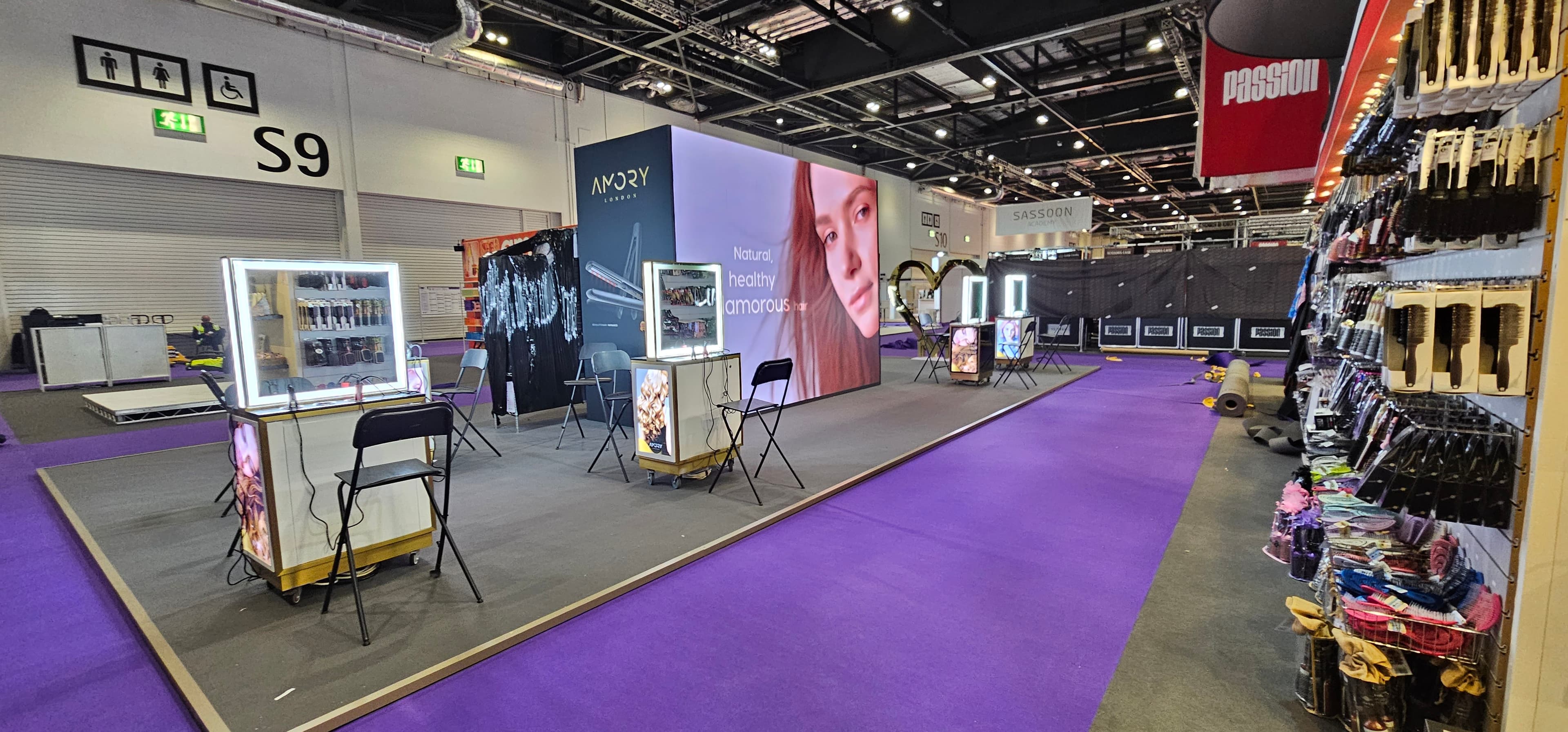
LED Screen Hire Cost Guide: What Event Organisers Should Expect to Pay
LED screen hire costs vary depending on screen size, resolution, installation method, and event duration. This guide explains typical UK pricing and what event organisers should budget for.
Read more →Let’s make your brand stand out
Tell us about your event and we’ll put together a tailored solution with clear pricing and no surprises.
Get a Quote