LED Screen Hire Cost Guide: What Event Organisers Should Expect to Pay
LED screens are now widely used across live events, from exhibition stands and corporate conferences to festivals and outdoor fan zones. They provide bright, high-impact visuals that help audiences clearly see presentations, video content, and branding, even in large venues.
One of the first questions many event organisers ask is: how much does LED screen hire cost?
The answer can vary significantly depending on the size of the screen, the resolution required, and the technical setup needed for the event. Factors such as installation, crew, transport, and rigging also influence the final price.
This guide explains typical LED screen hire costs in the UK, what affects the price, and how event organisers can plan a realistic budget when using LED screens at exhibitions, conferences, festivals, and brand activations.
Typical LED Screen Hire Costs in the UK
LED screen hire prices vary depending on the scale of the event and the screen specification. However, the following ranges provide a general guide for event organisers planning their budgets.
Typical LED Screen Hire Price Ranges
- Small exhibition LED wall: £1,500 – £4,000
- Conference stage LED screen: £4,000 – £8,000
- Outdoor event screen: £8,000 – £15,000
- Large festival LED screen: £15,000 – £25,000+
These figures usually cover the LED panels themselves, but the final cost can change depending on the technical requirements of the event.
For example, outdoor events may require larger screens, additional structural support, and higher brightness panels, which can increase the overall project cost.
What Affects LED Screen Hire Cost?
Several factors influence how much an LED screen costs to hire for an event.
Understanding these variables helps organisers choose a screen setup that fits both their venue and their budget.
Screen Size
The biggest factor affecting cost is the physical size of the screen.
LED screens are made up of modular panels. The more panels required to build the screen, the higher the equipment cost.
For example:
- a 3m × 2m screen may use around 12 panels
- a 6m × 3m screen may require more than 40 panels
- large festival screens may use 100+ panels
Larger screens require more equipment, transport, and installation time.
Pixel Pitch (Screen Resolution)
Pixel pitch refers to the distance between each LED pixel on the screen.
Smaller pixel pitch screens have more pixels packed into the display, which produces a sharper image for close viewing distances.
Typical examples include:
- 1.9mm – 2.6mm pixel pitch for conferences and exhibitions
- 2.9mm – 3.9mm pixel pitch for stage screens
- 4.8mm – 6mm pixel pitch for large outdoor viewing screens
Higher-resolution panels are usually more expensive to hire than larger-pitch outdoor panels.
Indoor vs Outdoor Screens
Indoor and outdoor LED screens have different technical specifications.
Outdoor screens require:
- higher brightness levels (often 5,000+ nits)
- weatherproof panels
- stronger structural support
These additional requirements can increase costs compared with indoor installations.
Installation Method
How the screen is installed also affects pricing.
Common installation methods include:
Ground Stacking
The screen is built on a support structure placed on the ground. This is common for outdoor public viewing events and fan zones.
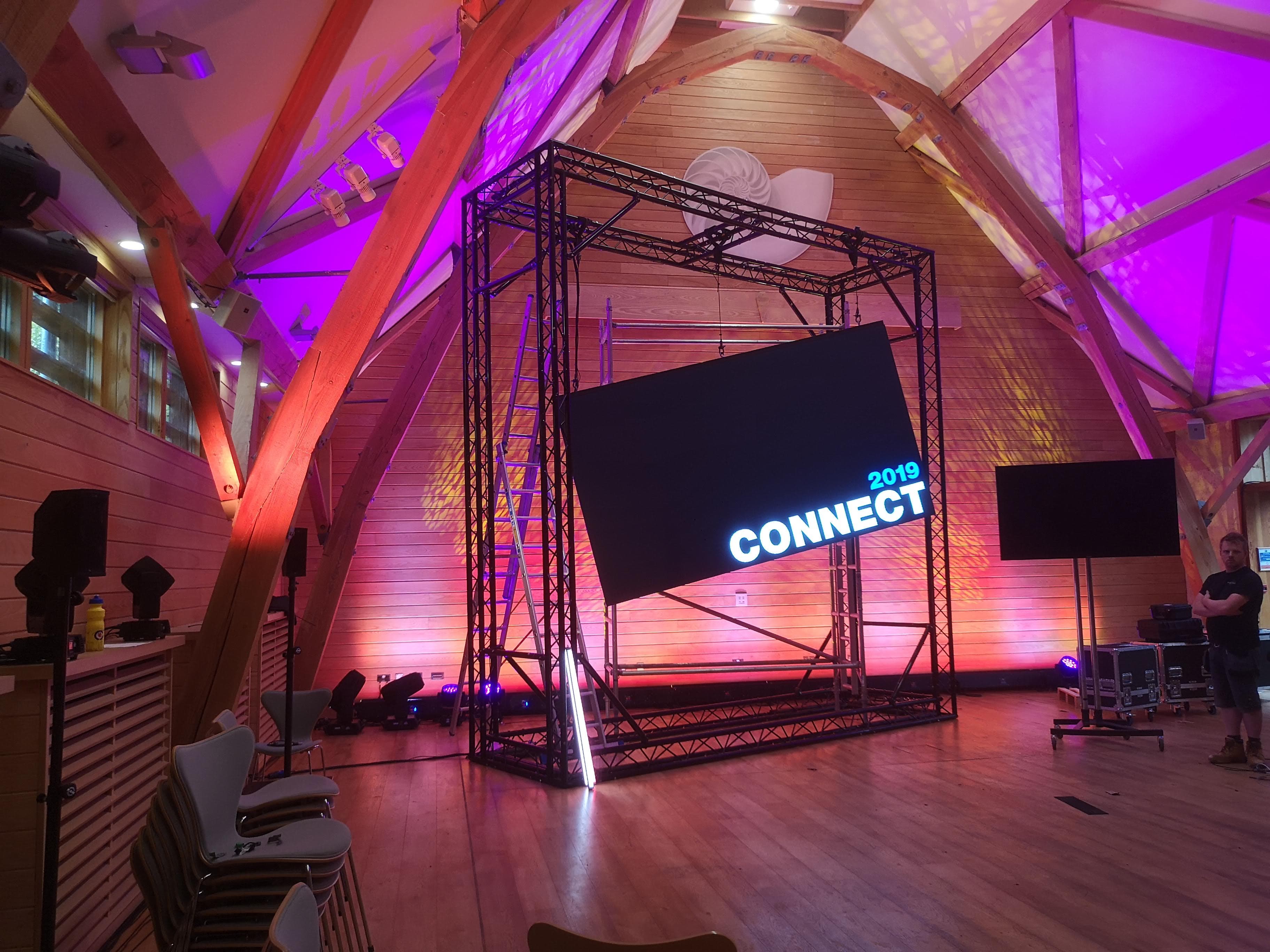
Truss Rigging
Screens are suspended from truss structures above a stage. This is often used for conferences, concerts, and festivals.
Mobile LED Trailers
Some events use trailer-mounted LED screens that can be deployed quickly for temporary outdoor screenings.
Each installation method requires different equipment and labour.
Event Duration
The length of time the screen is required also affects pricing.
Many events involve a one-day show with build and dismantle days, while festivals and exhibitions may run across several days.
Longer hire periods can sometimes reduce the daily equipment cost, but they may increase crew and logistics requirements.
Typical LED Screen Hire Examples
Looking at real event scenarios can help organisers understand how LED screen costs are typically structured.
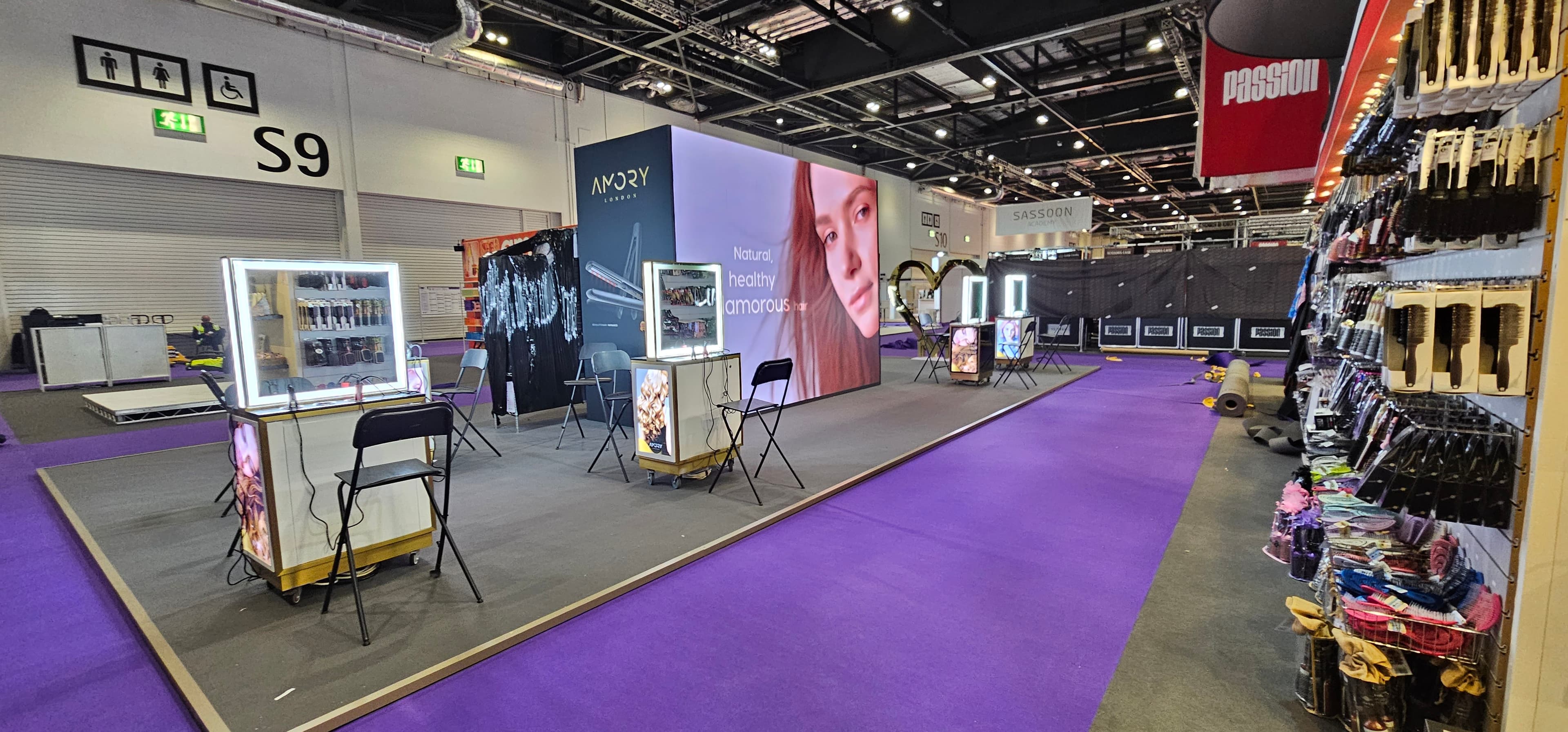
Exhibition Stand LED Screen
Exhibitions often use LED screens to attract attention and display product videos.
A typical exhibition installation might include:
- 3m × 2m LED screen
- 2.6mm pixel pitch
- indoor setup
Typical hire cost: £2,000 – £4,000
These screens allow visitors standing close to the display to see clear graphics and video content.
Conference Stage LED Screen
Conferences frequently use LED walls as stage backdrops to display presentations and branding.
A typical setup may include:
- 6m × 3m LED screen
- 2.9mm pixel pitch
- truss rigging or ground support
Typical hire cost: £4,000 – £8,000
LED screens are increasingly used instead of projection because they provide brighter images and clearer graphics.
Outdoor Event or Fan Zone Screen
Outdoor public events often require larger screens so audiences can view content from greater distances.
A typical setup may include:
- 8m × 4m outdoor LED screen
- 3.9mm or 4.8mm pixel pitch
- ground-stacked installation
Typical hire cost: £8,000 – £15,000
These screens are commonly used for sporting events, outdoor screenings, and brand activations.
Festival Stage LED Screen
Large music festivals and outdoor concerts often use very large LED video walls.
These installations may include:
- 10m × 5m or larger LED screens
- high-brightness outdoor panels
- live camera relay systems
Typical hire cost: £15,000 – £25,000+
Festival screens require complex rigging, technical crews, and significant power infrastructure.
Additional Costs Event Organisers Should Consider
The LED screen itself is only one part of the production setup. Many events require additional services to install and operate the screen safely.
Crew and Technical Support
Professional LED screens require trained technicians to install and operate them.
Depending on the size of the screen, this may include:
- LED screen technicians
- video engineers
- rigging crew
- installation crew
- on-site technical operators
Smaller conference screens may only require one or two technicians, while large festival installations can involve full production teams.
Transport and Logistics
LED screens consist of multiple panels, structural frames, and control equipment.
Transport considerations may include:
- specialist transport vehicles
- venue loading access
- build and dismantle schedules
- storage between event days
Large outdoor events often require more complex logistics.
Rigging and Support Structures
Screens installed above a stage require truss systems and rigging hardware.
Ground-stacked screens may also require:
- support frames
- ballast systems
- safety calculations for wind loading
These structural elements are critical for safe event production.
Content and Video Playback
Many events also require content to be prepared for the LED screen.
This may include:
- presentation graphics
- video playback systems
- media servers
- live camera feeds
Planning content early ensures it displays correctly on the screen resolution.
How to Budget for LED Screens at Events
When planning an event, the best way to manage LED screen costs is to consider the following factors early in the process.
Define your audience size
Larger audiences require larger screens for visibility.
Consider viewing distance
The distance between the audience and the screen determines the correct pixel pitch.
Plan the screen location
Placement affects sightlines, rigging requirements, and screen size.
Check power availability
Large LED screens require appropriate electrical distribution.
Working with experienced AV providers early in the planning process helps ensure the screen specification matches the event requirements.
The Pixelhut Approach: Design, Plan, Deliver
Delivering LED screens successfully requires careful planning and technical expertise.
Pixelhut follows a structured production approach for every project.
Design
The design stage determines:
- screen size
- pixel pitch
- viewing distance
- content layout
Plan
Planning focuses on logistics such as:
- installation method
- transport and build schedules
- power requirements
Deliver
The delivery stage includes installation, screen calibration, and live technical operation throughout the event.
This ensures the LED screen performs reliably from setup through to the end of the event.
Conclusion
LED screens can transform the visual impact of an event, but costs vary depending on several factors including screen size, resolution, installation requirements, and technical support.
Small indoor screens used for exhibitions may cost a few thousand pounds, while large outdoor festival installations can require significantly larger production budgets.
By understanding the factors that affect LED screen hire costs, event organisers can plan more accurately and ensure the screen setup supports their audience and venue requirements.
Planning an Event with LED Screens?
If you are planning an exhibition, conference, festival, or outdoor event and need advice on LED screen hire, the Pixelhut team can help. With over 15 years of AV industry experience, Pixelhut delivers LED screen solutions for exhibitions, corporate events, festivals, and brand activations, supporting clients from design and planning through to installation and live event delivery.
Get a QuoteMore from the blog
How LED Screens Work at Live Events: A Simple Guide for Event Organisers
A straightforward guide explaining how LED screens work at live events, covering pixel pitch, video processing, installation methods, and content planning for event organisers.
Read more →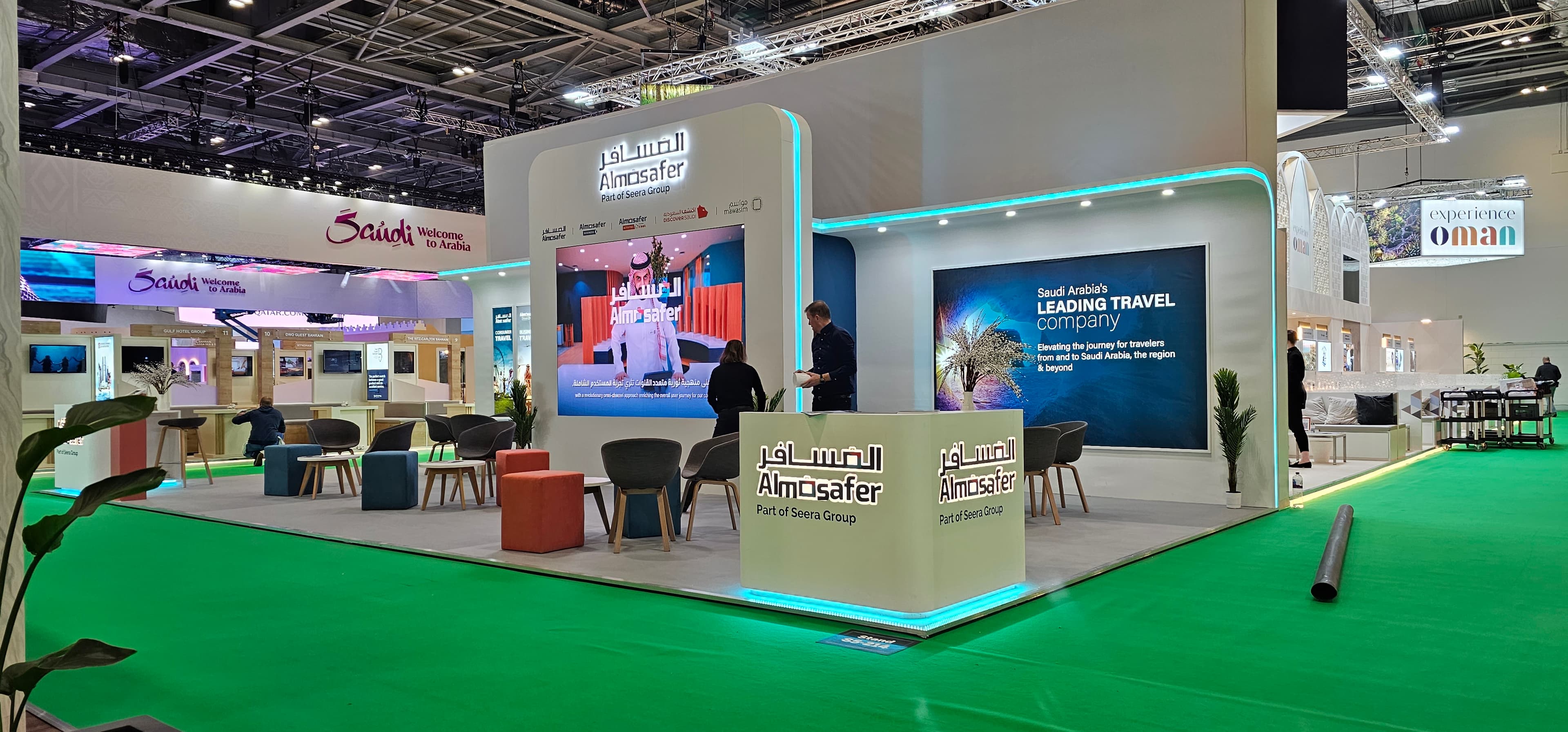
What Are LED Screens Used For At Events? A Practical Guide for Event Organisers
A practical guide covering how LED screens are used at exhibitions, festivals, conferences, and fan zones, including screen sizing, pixel pitch, and installation methods.
Read more →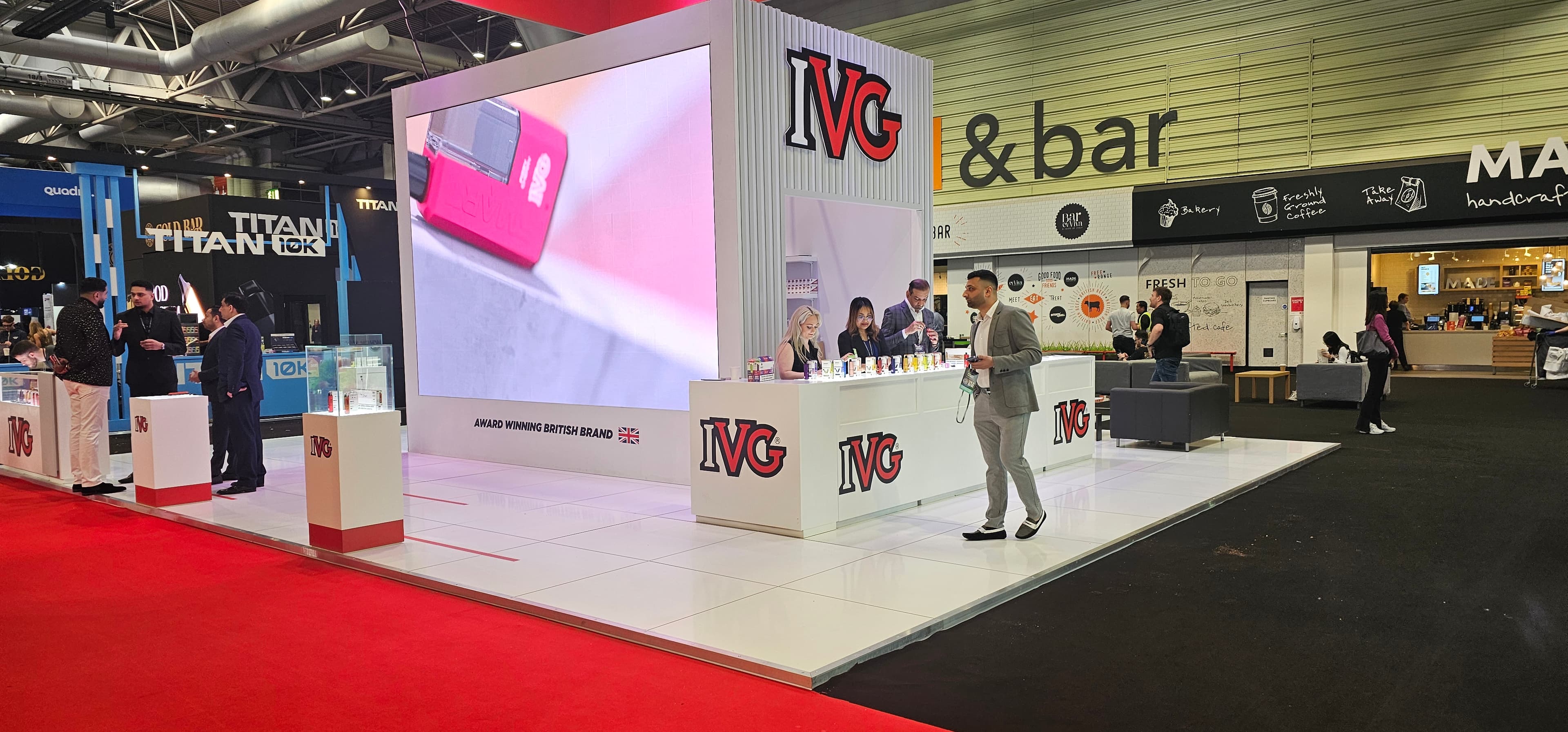
LED Screens for Exhibition Stands: How to Attract Visitors at Trade Shows
A practical guide to using LED screens on exhibition stands, covering screen sizes, pixel pitch, content design, and installation options for trade shows.
Read more →Let’s make your brand stand out
Tell us about your event and we’ll put together a tailored solution with clear pricing and no surprises.
Get a Quote